Tipalti
Design System Modernization & Usability Research for a B2B Fintech Platform
COMPANY
TIPALTI
Year
2025
Industry
Fintech
Role
Product Design, UX Research

Overview
Product Design at tipalti, which automates payables and mass payments for high-growth businesses.
Product Design at tipalti, which automates payables and mass payments for high-growth businesses.
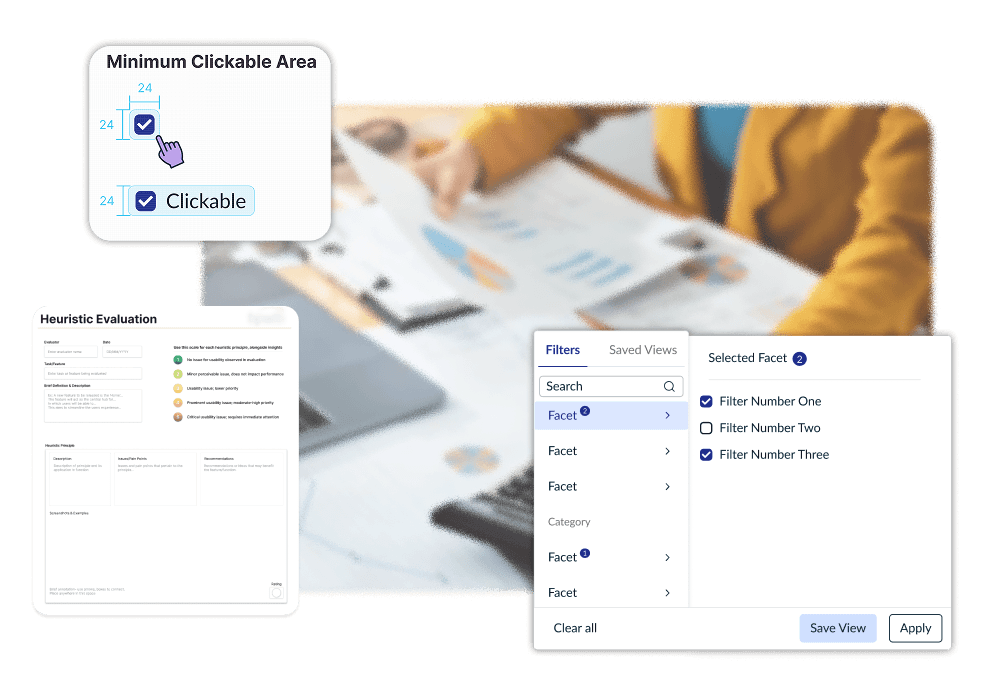
Under the mentorship of the Director of Product Design, I worked as a UX/Product Designer & Researcher, collaborating with the Product Design team to enhance usability, visual consistency, and design system scalability across the company’s fintech ecosystem.
Under the mentorship of the Director of Product Design, I worked as a UX/Product Designer & Researcher, collaborating with the Product Design team to enhance usability, visual consistency, and design system scalability across the company’s fintech ecosystem.
Under the mentorship of the Director of Product Design, I worked as a UX/Product Designer & Researcher, collaborating with the Product Design team to enhance usability, visual consistency, and design system scalability across the company’s fintech ecosystem.
Challenge
During my time, the fintech company was in the process of modernizing and refining its product experience: evolving its visual language, usability patterns, and design system foundations to better support scale and consistency across its growing B2B fintech ecosystem.
During my time, the fintech company was in the process of modernizing and refining its product experience: evolving its visual language, usability patterns, and design system foundations to better support scale and consistency across its growing B2B fintech ecosystem.
During my time, the fintech company was in the process of modernizing and refining its product experience: evolving its visual language, usability patterns, and design system foundations to better support scale and consistency across its growing B2B fintech ecosystem.
Approach
Coming from a Master’s in Human–Computer Interaction, with a strong foundation in UX design and research principles, I saw this as an opportunity to apply my theoretical knowledge and practical skills within a live fintech environment.
Coming from a Master’s in Human–Computer Interaction, with a strong foundation in UX design and research principles, I saw this as an opportunity to apply my theoretical knowledge and practical skills within a live fintech environment.
Coming from a Master’s in Human–Computer Interaction, with a strong foundation in UX design and research principles, I saw this as an opportunity to apply my theoretical knowledge and practical skills within a live fintech environment.
Tasks / Contributions
Tasks /
Contributions

Heuristic Evaluation
Created reusable heuristic evaluation template for companies ongoing use
Conducted evaluation on a new MVP feature to assess usability gaps
Proposed iterative improvements & feature expansion ideas
Design System Research
Researched best UX and interaction practices for each component
Analyzed leading design systems to study structure, function, & usability
Focused on improving designer ease-of-use & component behaviour
Component Design
Designed & refined key system components
Ensured consistency in visual hierarchy, accessibility, & interaction states
Refined components based on research findings
UX Strategy & Documentation
Consolidated guidelines & documentation for dev handoff
Defined structure for reusable research & design templates
Integrated usability insights back into design system documentation & workflow
Heuristic Evaluation
Created reusable heuristic evaluation template for companies ongoing use
Conducted evaluation on a new MVP feature to assess usability gaps
Proposed iterative improvements & feature expansion ideas
Design System Research
Researched best UX and interaction practices for each component
Analyzed leading design systems to study structure, function, & usability
Focused on improving designer ease-of-use & component behaviour
Component Design
Designed & refined key system components
Ensured consistency in visual hierarchy, accessibility, & interaction states
Refined components based on research findings
UX Strategy & Documentation
Consolidated guidelines & documentation for dev handoff
Defined structure for reusable research & design templates
Integrated usability insights back into design system documentation & workflow
Heuristic
Evaluation
Heuristic Evaluation
I designed a reusable heuristic evaluation template for the companies design team to conduct consistent usability reviews across new and existing product features.
I designed a reusable heuristic evaluation template for the companies design team to conduct consistent usability reviews across new and existing product features.
I designed a reusable heuristic evaluation template for the companies design team to conduct consistent usability reviews across new and existing product features.
Using this framework, I evaluated a newly released MVP feature against Nielsen’s usability principles, identifying opportunities to improve clarity, hierarchy, and feedback. Beyond the evaluation, I proposed design and interaction enhancements that could strengthen usability in future iterations.
Using this framework, I evaluated a newly released MVP feature against Nielsen’s usability principles, identifying opportunities to improve clarity, hierarchy, and feedback. Beyond the evaluation, I proposed design and interaction enhancements that could strengthen usability in future iterations.
Using this framework, I evaluated a newly released MVP feature against Nielsen’s usability principles, identifying opportunities to improve clarity, hierarchy, and feedback. Beyond the evaluation, I proposed design and interaction enhancements that could strengthen usability in future iterations.
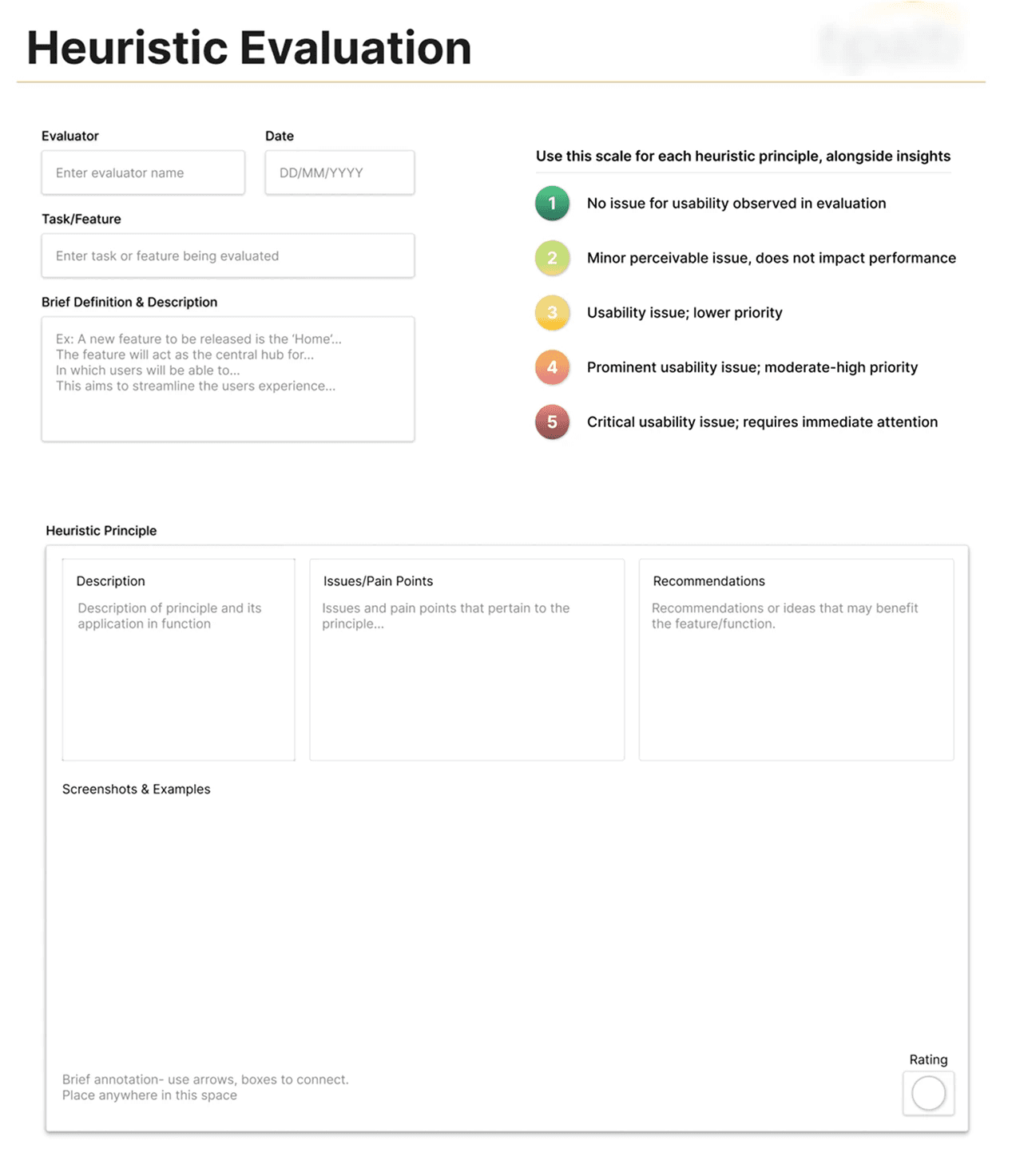
Reusable heuristic evaluation framework - applied to an internal dashboard feature. Full evaluation available upon request.
Reusable heuristic evaluation framework - applied to an internal dashboard feature. Full evaluation available upon request.
Reusable heuristic evaluation framework - applied to an internal dashboard feature. Full evaluation available upon request.
Design System
Design
System
Research & Component Design
Research &
Component Design
Research & Component Design
As part of my internship, I contributed to the design system by researching component best practices, analyzing leading industry systems, and designing components to improve clarity, accessibility, and consistency.
As part of my internship, I contributed to the design system by researching component best practices, analyzing leading industry systems, and designing components to improve clarity, accessibility, and consistency.
As part of my internship, I contributed to the design system by researching component best practices, analyzing leading industry systems, and designing components to improve clarity, accessibility, and consistency.
My goal was to ensure each component was intuitive for designers, consistent for users, and efficient for developers to implement.
My goal was to ensure each component was intuitive for designers, consistent for users, and efficient for developers to implement.
My goal was to ensure each component was intuitive for designers, consistent for users, and efficient for developers to implement.
To ensure each component was both scalable and user-friendly, I followed a cyclical process that balanced research, design, and implementation.
To ensure each component was both scalable and user-friendly, I followed a cyclical process that balanced research, design, and implementation.
To ensure each component was both scalable and user-friendly, I followed a cyclical process that balanced research, design, and implementation.
Usability Research
Usability Research
Usability Research
Identified optimal UX patterns and functionality for each component.
Identified optimal UX patterns and functionality for each component.
Identified optimal UX patterns and functionality for each component.
Industry Analysis
Industry Analysis
Industry Analysis
Analyzed leading design systems to understand component behavior and usability in Figma.
Analyzed leading design systems to understand component behavior and usability in Figma.
Analyzed leading design systems to understand component behavior and usability in Figma.
Component Design
Component Design
Component Design
Applied insights to design and refine scalable, consistent components.
Applied insights to design and refine scalable, consistent components.
Applied insights to design and refine scalable, consistent components.
I created developer documentation outlining each component’s properties, states, and accessibility to maintain design-to-development alignment.
I created developer documentation outlining each component’s properties, states, and accessibility to maintain design-to-development alignment.
I created developer documentation outlining each component’s properties, states, and accessibility to maintain design-to-development alignment.
Checkbox + Checkbox Group
Checkbox + Checkbox Group

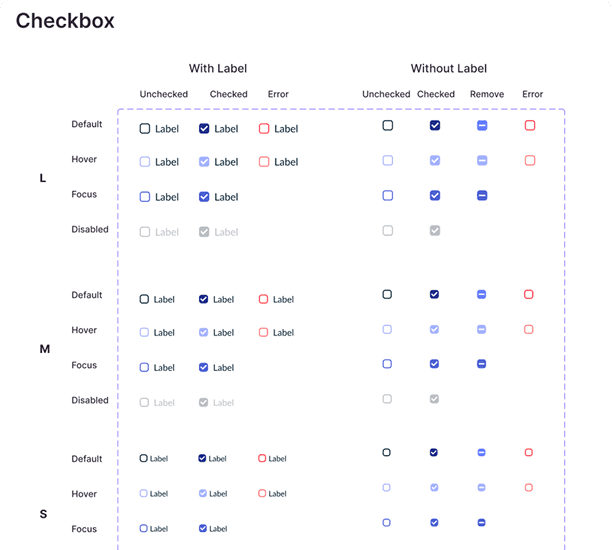
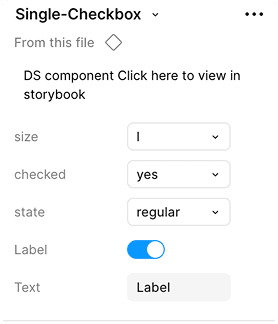
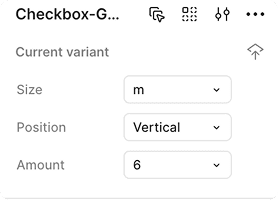
The first component I designed for the system, focusing on accessibility, clear states, and scalable variants. The component was expanded into a Checkbox Group with horizontal and vertical layouts to support multiple contexts.

The first component I designed for the system, focusing on accessibility, clear states, and scalable variants. The component was expanded into a Checkbox Group with horizontal and vertical layouts to support multiple contexts.
The first component I designed for the system, focusing on accessibility, clear states, and scalable variants. The component was expanded into a Checkbox Group with horizontal and vertical layouts to support multiple contexts.
Radio-Button + Radio Group
Radio-Button + Radio Group

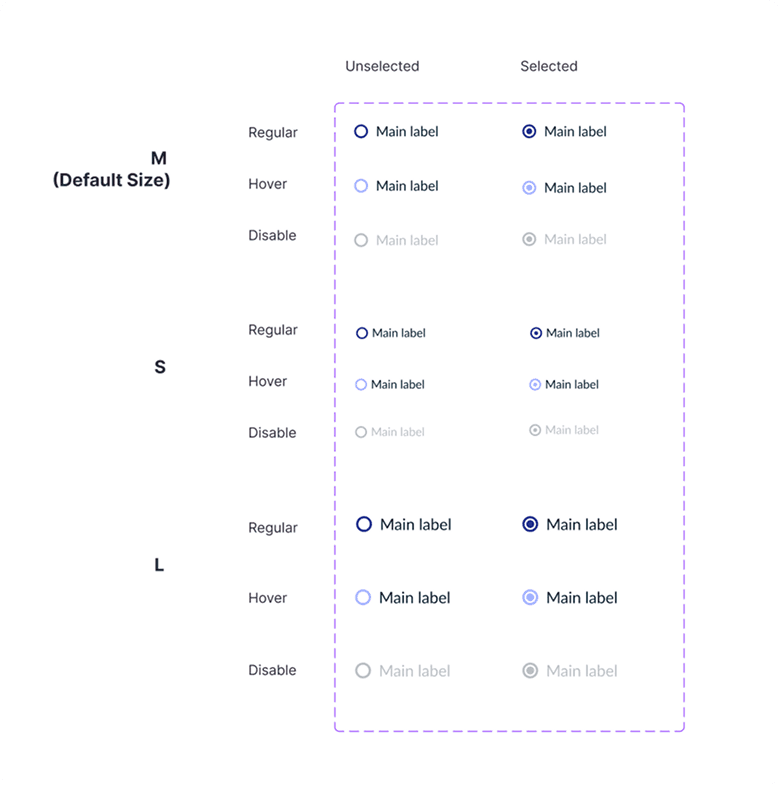
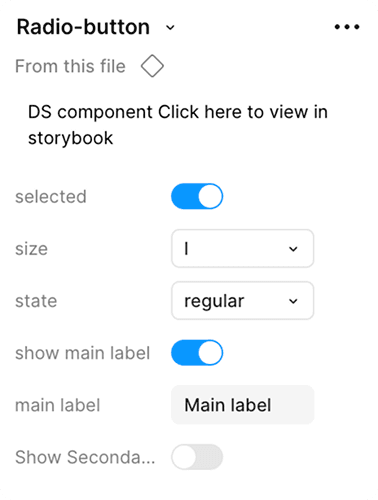
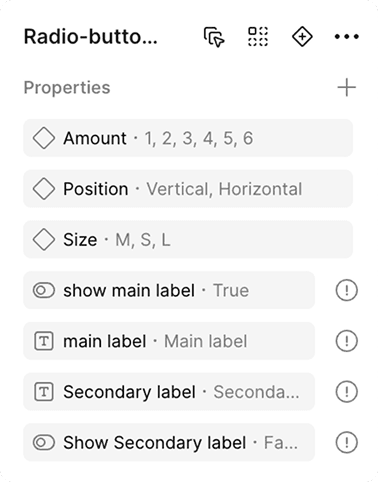
Building on the Checkbox, I designed the Radio Button to define single-selection behavior with consistent spacing and hierarchy across variants.

Building on the Checkbox, I designed the Radio Button to define single-selection behavior with consistent spacing and hierarchy across variants.
Building on the Checkbox, I designed the Radio Button to define single-selection behavior with consistent spacing and hierarchy across variants.
Design System Components
Applied to Product Screens
Before
Before
Before
Slide to view changes
Slide to view changes
Slide to view changes
After
After
After
Wizard (Multi-Step)
Wizard (Multi-Step)
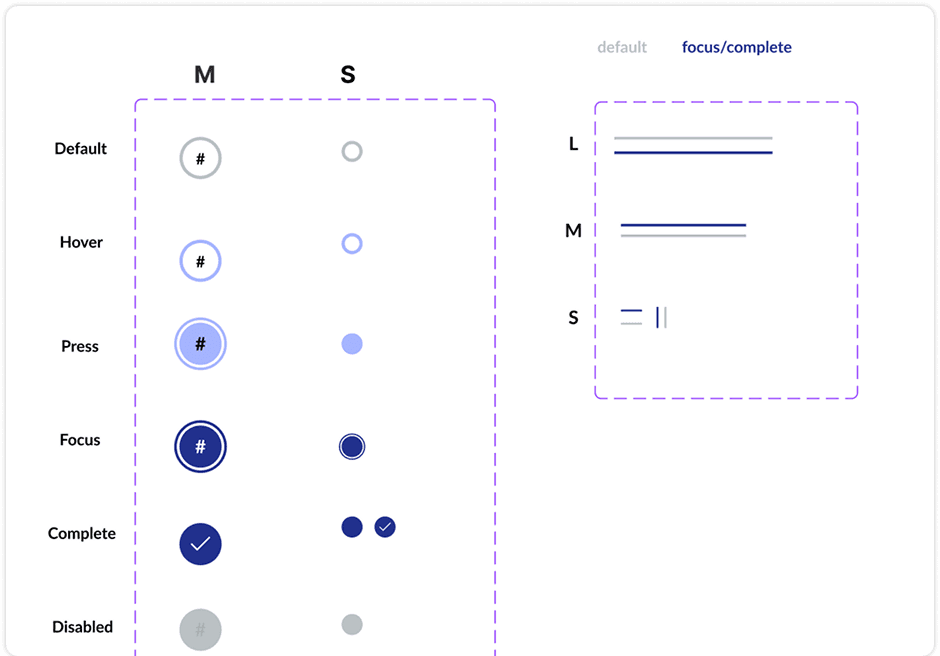
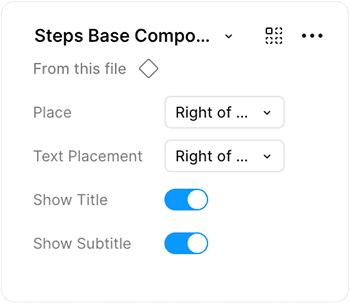
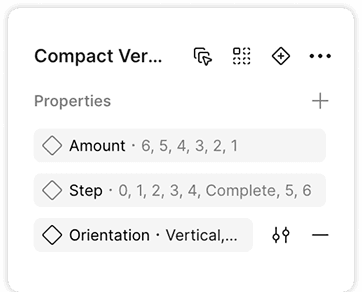
Designed the Wizard (multi-step indicator) to visualize user progress and ensure scalability
across step counts, screen sizes, and layout variations.

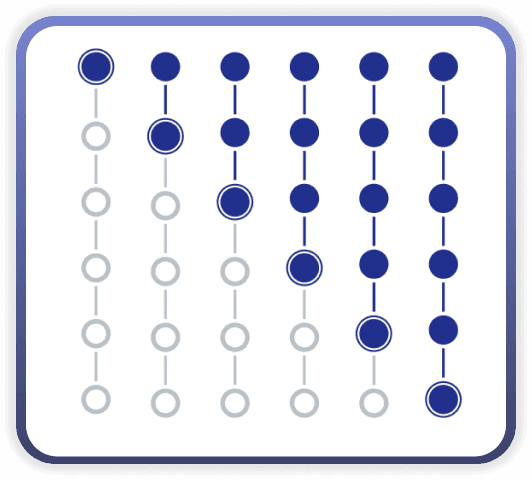
Compact Wizard (Multi Step)
Designed the Wizard (multi-step indicator) to visualize user progress and ensure scalability across step counts, screen sizes, and layout variations.
Compact Wizard (Multi Step)
Designed the Wizard (multi-step indicator) to visualize user progress and ensure scalability across step counts, screen sizes, and layout variations.

Compact Wizard (Multi Step)
Design System Components
Applied to Product Screens
Before
Before
Before
Slide to view changes
Slide to view changes
Slide to view changes
After
After
After
Before
Before
Before
Slide to view changes
Slide to view changes
Slide to view changes
After
After
After
Filter
Redesign
Filter Redesign
Complex Component Research & Design
Complex Component Research & Design
Complex Component Research & Design
Following the companies recent acquisition of an AI startup, I was tasked with researching and designing a unified filtering experience. Existing filter usage varied across pages, creating inconsistency, visual clutter, and added effort for users.
Following the companies recent acquisition of an AI startup, I was tasked with researching and designing a unified filtering experience. Existing filter usage varied across pages, creating inconsistency, visual clutter, and added effort for users.
Following the companies recent acquisition of an AI startup, I was tasked with researching and designing a unified filtering experience. Existing filter usage varied across pages, creating inconsistency, visual clutter, and added effort for users.
Process Overview
Process Overview
Research Questions
Research Questions
Define scope and direction
Define scope and direction
Company Vs. Startup
Company Vs. Startup
Compare existing filter functions
Compare existing filter functions

Best UX Practices
Best UX Practices
Identify best design standards & usage
Identify best design standards & usage
Market Analysis
Market Analysis
Review competitor usage
Review competitor usage
Synthesis
Synthesis
Adapt findings to best usage for company
Adapt findings to best usage for company
Wireframing
Wireframing
Explore component functionality and logic
Explore component functionality and logic
Research Questions
What are the differences between how the startup used filters vs the company?
What are the differences between how the startup used filters vs the company?
What may be the best implementation across the companies differing features / functions?
What may be the best implementation across the companies differing features / functions?
What is the overall best practice for the usage of filters? What are the benefits & constraints of each?
What is the overall best practice for the usage of filters? What are the benefits & constraints of each?
Should chips / quick filters be exposed? Collapsed? Both? Do users need to see the filters (should they be exposed)?
Should chips / quick filters be exposed? Collapsed? Both? Do users need to see the filters (should they be exposed)?
Are there existing examples that can be used for inspiration?
Are there existing examples that can be used for inspiration?
Best practice pertaining to live vs. batch filters?
Best practice pertaining to live vs. batch filters?
The Company Vs. The Startup
The Company Vs. The Startup
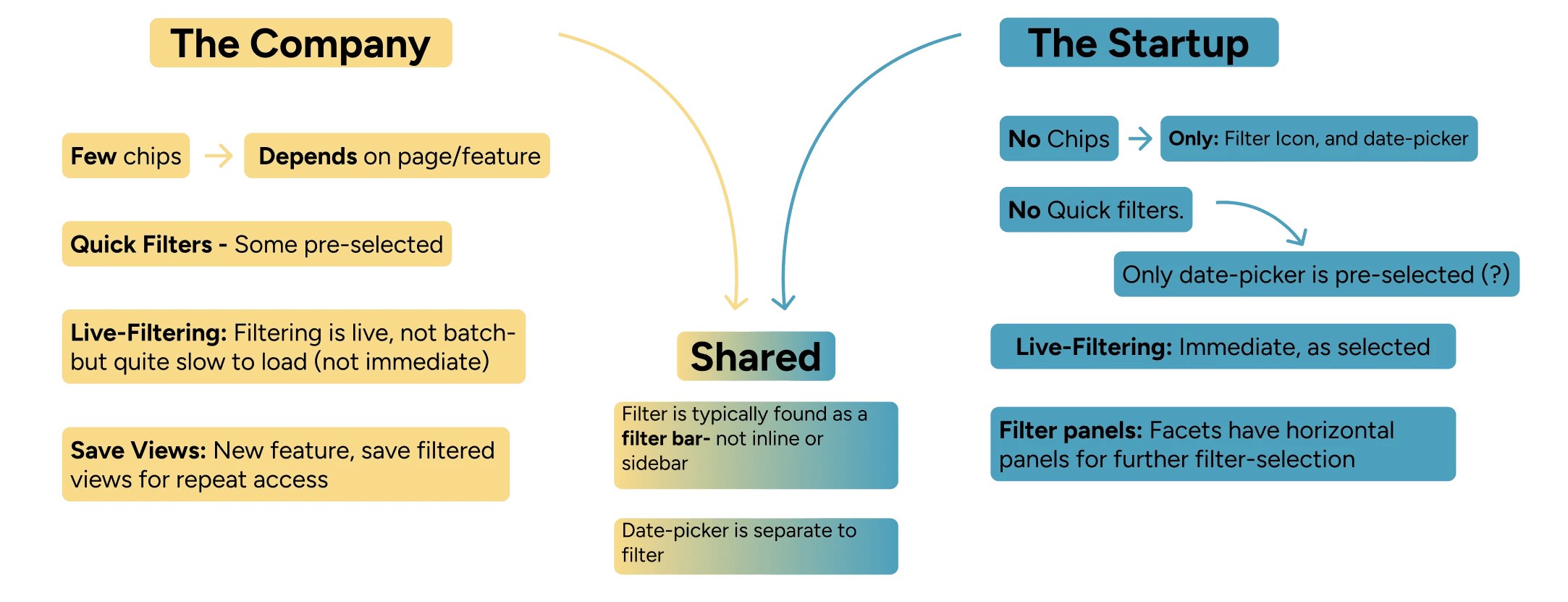
I reviewed several screens utilizing filters, within both the company
and startup to compare and analyze functionality.
I reviewed several screens utilizing filters, within both the company
and startup to compare and analyze functionality.
I reviewed several screens utilizing filters, within both the company and startup to compare and analyze functionality.
A new Save Views feature was introduced, allowing users to save filtered results for quick access.
A new Save Views feature was introduced, allowing users to save filtered results for quick access.
A new Save Views feature was introduced, allowing users to save filtered results for quick access.
Currently available only within the Bills workflow, this functionality is planned to expand across other modules to improve efficiency and consistency in user filtering behaviour.
Currently available only within the Bills workflow, this functionality is planned to expand across other modules to improve efficiency and consistency in user filtering behaviour.
Currently available only within the Bills workflow, this functionality is planned to expand across other modules to improve efficiency and consistency in user filtering behaviour.
With this in mind, I aimed to integrate Save Views directly into the redesigned filter component.
With this in mind, I aimed to integrate Save Views directly into the redesigned filter component.
With this in mind, I aimed to integrate Save Views directly into the redesigned filter component.
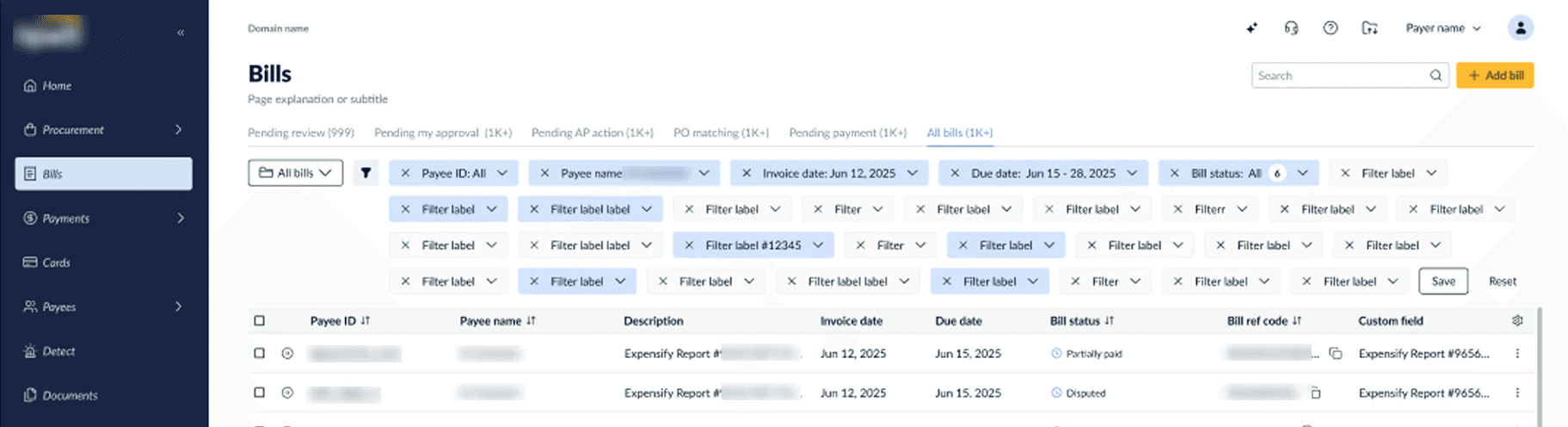
Current Save Views implementation within the Bills workflow - saved filters displayed as exposed chips above the data table. While functional, this approach can create visual clutter and reduce hierarchy, especially in data-heavy contexts.
Current Save Views implementation within the Bills workflow - saved filters displayed as exposed chips above the data table. While functional, this approach can create visual clutter and reduce hierarchy, especially in data-heavy contexts.
Current Save Views implementation within the Bills workflow - saved filters displayed as exposed chips above the data table. While functional, this approach can create visual clutter and reduce hierarchy, especially in data-heavy contexts.
After conducting extensive usability and comparative research on filter behavior, I sketched early wireframes to define interaction logic and layout flow.
These explorations informed the current direction for the Filter component, which I prototyped using existing design system components and atomic design principles.
The new design aims to be applicable and streamline the entire experience, including consideration of advanced filters and functions.
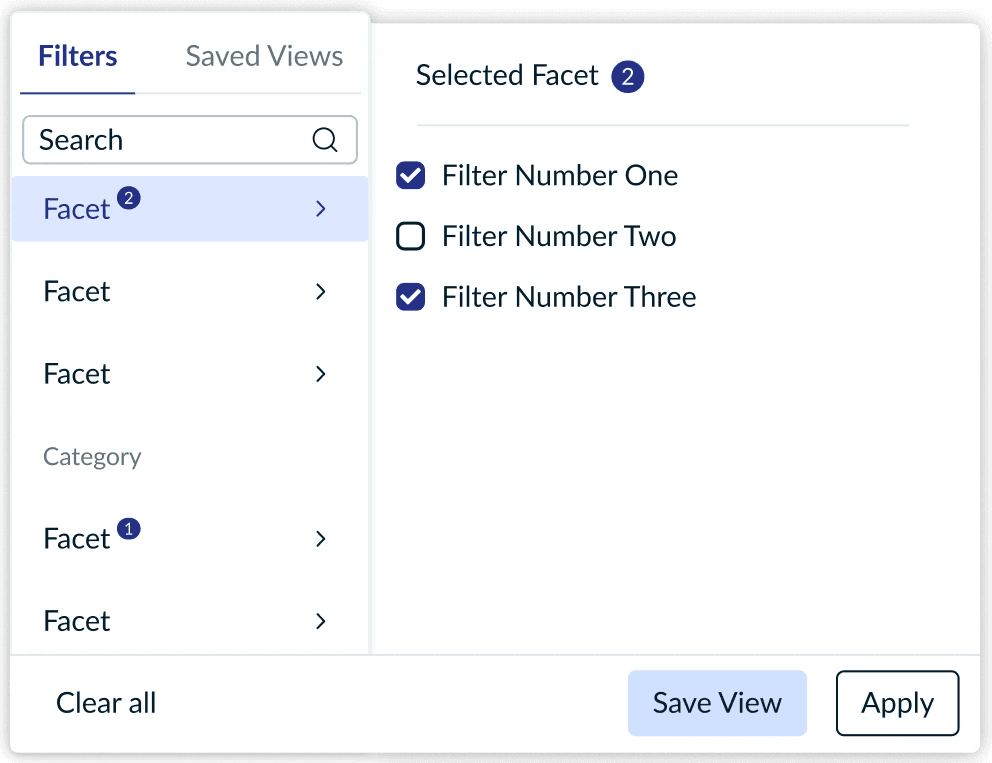
Conceptual prototype using existing design system components, informed by extensive UX and market research, and wireframes exploring filter interaction logic.
After conducting extensive usability and comparative research on filter behavior, I sketched early wireframes to define interaction logic and layout flow.
These explorations informed the current direction for the Filter component, which I prototyped using existing design system components and atomic design principles.
The new design aims to be applicable and streamline the entire experience, including consideration of advanced filters and functions.
Conceptual prototype using existing design system components, informed by extensive UX and market research, and wireframes exploring filter interaction logic.
After conducting extensive usability and comparative research on filter behavior, I sketched early wireframes to define interaction logic and layout flow.
These explorations informed the current direction for the Filter component, which I prototyped using existing design system components and atomic design principles.
The new design aims to be applicable and streamline the entire experience, including consideration of advanced filters and functions.
Conceptual prototype using existing design system components, informed by extensive UX and market research, and wireframes exploring filter interaction logic.
Takeaways
Coming in with limited experience in large-scale, robust design systems, I quickly learned how to adapt and contribute within a complex product environment.
Coming in with limited experience in large-scale, robust design systems, I quickly learned how to adapt and contribute within a complex product environment.
Working closely with designers, PMs, and developers taught me how consistency, logic, and usability intersect, both in systems design and hands-on UX research.
Working closely with designers, PMs, and developers taught me how consistency, logic, and usability intersect, both in systems design and hands-on UX research.
Throughout my time, I learned to work quickly yet thoroughly, conducting heuristic and comparative analyses under tight timelines and translating research insights into actionable, scalable design improvements.
Throughout my time, I learned to work quickly yet thoroughly, conducting heuristic and comparative analyses under tight timelines and translating research insights into actionable, scalable design improvements.
Working within a fast-paced global fintech company allowed me to hone my skills in both research and design execution, while collaborating effectively across disciplines. The experience strengthened my ability to think systematically and deliver clarity within large, evolving design ecosystems.
Working within a fast-paced global fintech company allowed me to hone my skills in both research and design execution, while collaborating effectively across disciplines. The experience strengthened my ability to think systematically and deliver clarity within large, evolving design ecosystems.
Even for something that appears as simple as a filter dropdown, I came to appreciate the depth of logic and edge-case handling required to align design intent with technical realities across multiple product surfaces.
Even for something that appears as simple as a filter dropdown, I came to appreciate the depth of logic and edge-case handling required to align design intent with technical realities across multiple product surfaces.